April 19, 1861, marked the beginning of the realities of the Civil War for the people of the Emerald Coast and the rest of Florida. For the most part, folks in the Rebel and Union states had an excited, “it’ll be a fun adventure” vibe about the conflict. After all, Fort Sumter, a federal fort in the heart of Confederate Charleston, had been bombed just a couple of weeks prior. Precious few lives had been lost to the conflict at this point.
For most, Irene Hunt says in her book about the civil war Across Five Aprils, “War meant loud brass music and shining horses ridden by men wearing uniforms finer than any suit in the stores at Newton; it meant men riding like kings, looking neither to the right nor the left, while lesser men in perfect lines strode along with guns across their shoulders, their head held high like horses with short reins.”
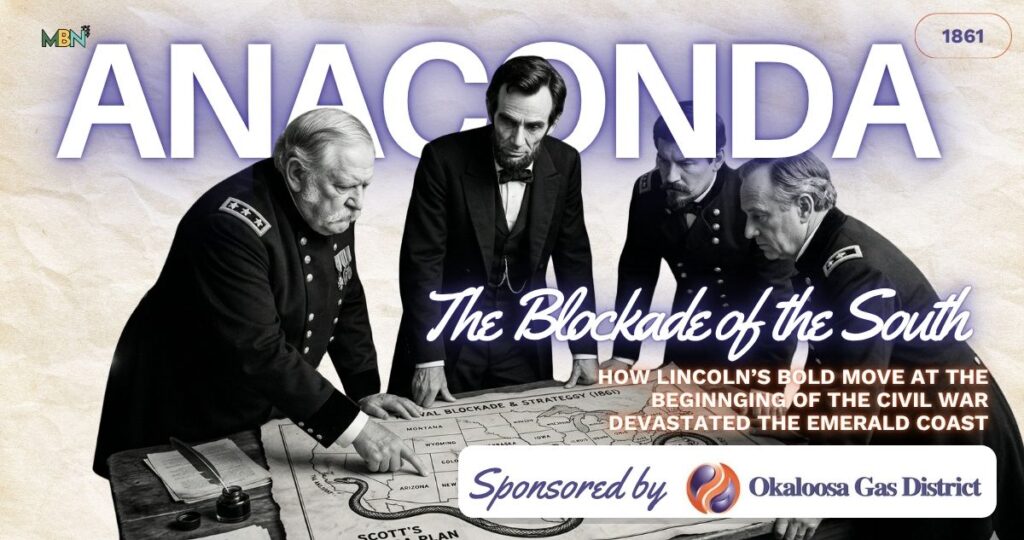
But the depravity of war began when President Abraham Lincoln ordered the blockade of the South’s port cities on April 19, 1861. For the residents of the Emerald Coast, the effects were felt more quickly than for others around the newly seceded southern states. The blockade of the ports and the Union’s ability to hold on to Fort Pickens meant economic disaster for the Emerald Coast – primarily because they could not export their goods to other states or countries, or even move them down the Blackwater River to Pensacola.
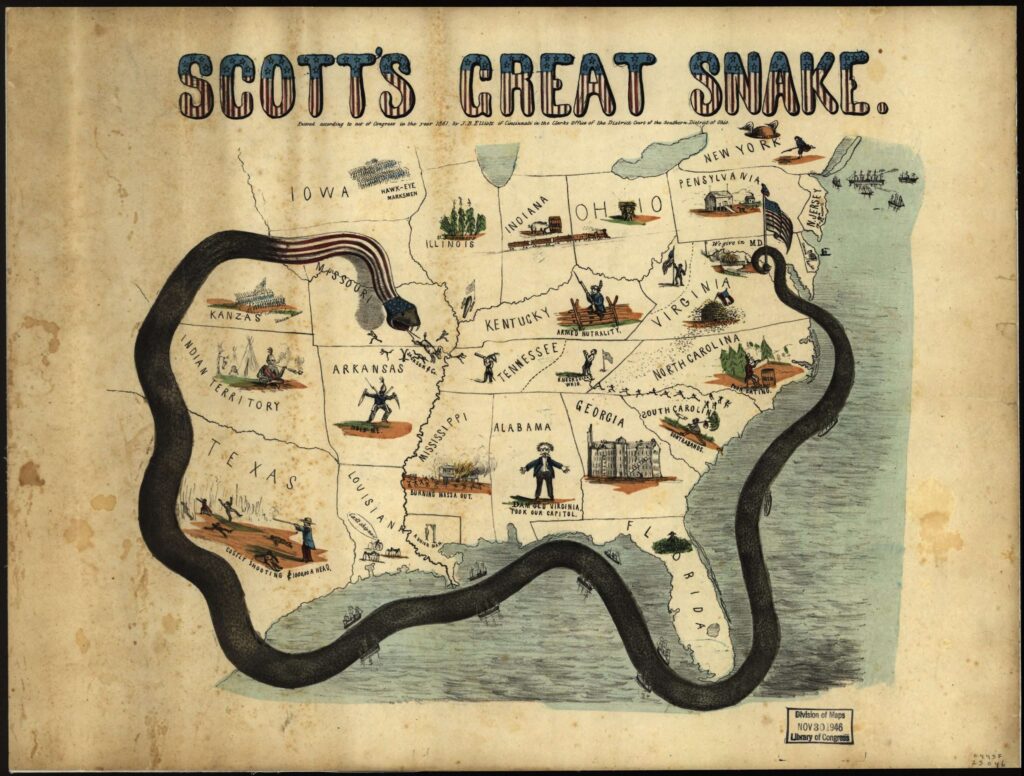
As the noose of Union General-in-Chief Winfield Scott’s ‘Anaconda Plan’ choked off the South’s economic effectiveness, Florida became increasingly important to the rebel cause. Florida, in the east, held plains capable of raising cattle for meat to help feed the South’s soldiers. To prevent the precious provisions from rotting before reaching the front, small entrepreneurs set up saltworks near the coast to preserve Johnny Reb’s rations to try and end the ‘salt famine’ the helped determine the Confederacy’s fate.
JB Elliott of Cincinnati created this now famous cartoon of a black snake surrounding the states that have succeeded from the union. The the cartoon meant to depict general and chief Winfield Scott's plan to slowly cut off the south from the rest of the world's trade and thereby slowly choke it to death. Mini mocked Scott's plan at the outset of the war because they believed the war would not be a long term venture.
But the Union’s blockade came out of the water and onto the land as the war progressed. The Federal Government would raise regiments of volunteers in Pensacola and South Florida from locals disaffected with the Confederate government. First among the men to volunteer were Walton and Santa Rosa County residents. The Emerald Coast’s two counties provided more than 100 recruits to the First Cavalry, Union Volunteers (FCUV), based in Florida. These men, many of whom had initially served in the rebel army at the beginning of the war, had initially opposed secession. They had joined the rebel forces out of a sense of duty to protect their home state. WhenConfederate General Braxton Braggordered the Florida regiments north to Kentucky in 1862, many men chose not to renew their enlistment. So, when the Confederacy passed its conscription acts that same year, many former Confederate soldiers went from neutral or even slightly positive to very negative about the new Slave Republic. After all, they’d signed up originally to protect Florida, and only Florida, from the potential ravages of the Yankee invader. These same men then fled to Federal-held Pensacola and enlisted in the Federal Army, making them among the few to fight for both sides in the Civil War.
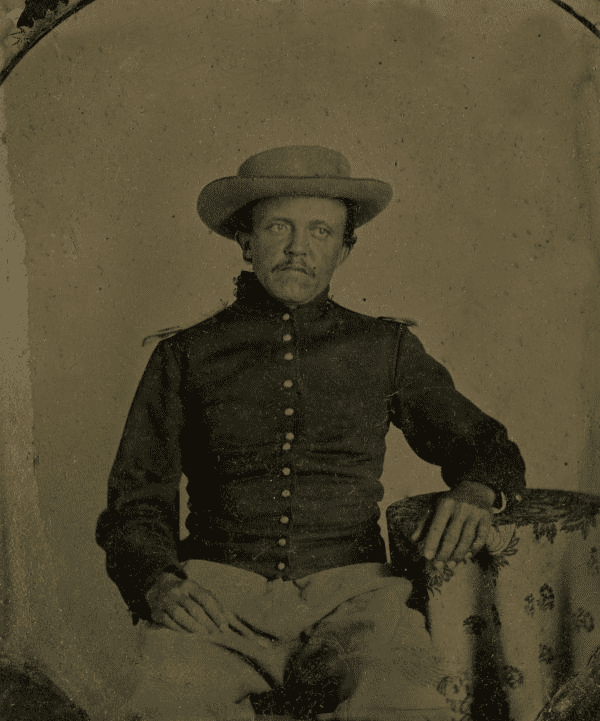
Private George Washington Lee was a private in the 1st Florida Cavalry, Union Volunteers.
Finally, and probably the smallest group to join the Union Cavalry, were the enemies of the Confederacy—men like Lt. Lyman Rowley. Rowley, a Vermont native, moved to Santa Rosa County before the war began after he married Margaret McCaskill.He’d apparently been on a work trip to Washington, D.C., when the war started and impersonated a soldier from an Iowa regiment to board a ship to Pensacola, where the rebels had recently taken up quarters after the departure of Braxton Bragg’s rebels. When Florida seceded, Rowley had been rounded up and placed in an internment camp in Alabama. That hadn’t lasted long – as Rowley escaped and went south to Pensacola, where the army granted him a commission to lead the 1st FCUV as a 1st Lieutenant. Rowley would serve with distinction and would be wounded by rebel militia at the Battle of Marianna in 1864.
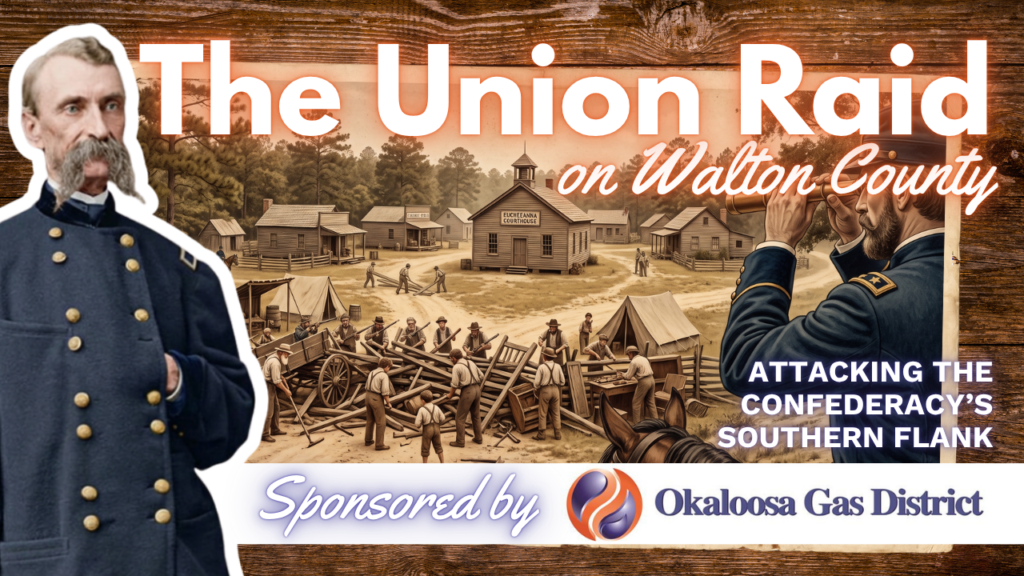
These men, now Union soldiers, were dispatched to raid Confederate economic centers, culminating in the raids on Eucheeanna and Marianna in 1864. The raids disrupted the salt works on the coast and farming and ranching in the interior, extending the blockade to the land.
More History of the Emerald Coast, brought to you by the folks at Okaloosa Gas District!