Bob Sikes was the most important person in Emerald Coast history. Here’s why:
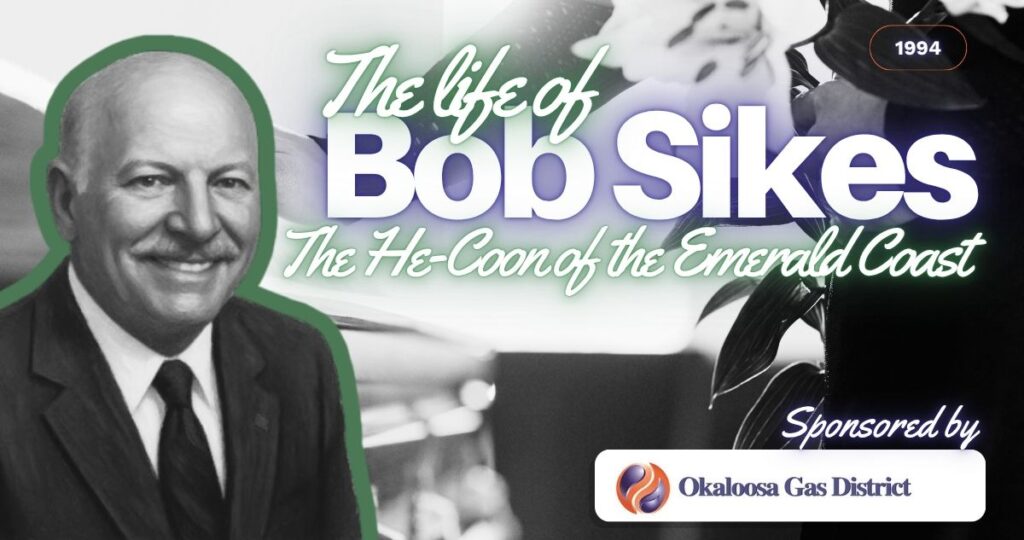
On September 28, 1994, Northwest Florida Congressman Bob Sikes passed away. Often called the single person most responsible for the modern Emerald Coast, Sikes spent over 30 years in Congress securing billions for regional military bases. His legacy remains deeply embedded in the region’s military-based economy and local infrastructure.
HISTORY: 1898 fire ignites new future for DeFuniak Springs
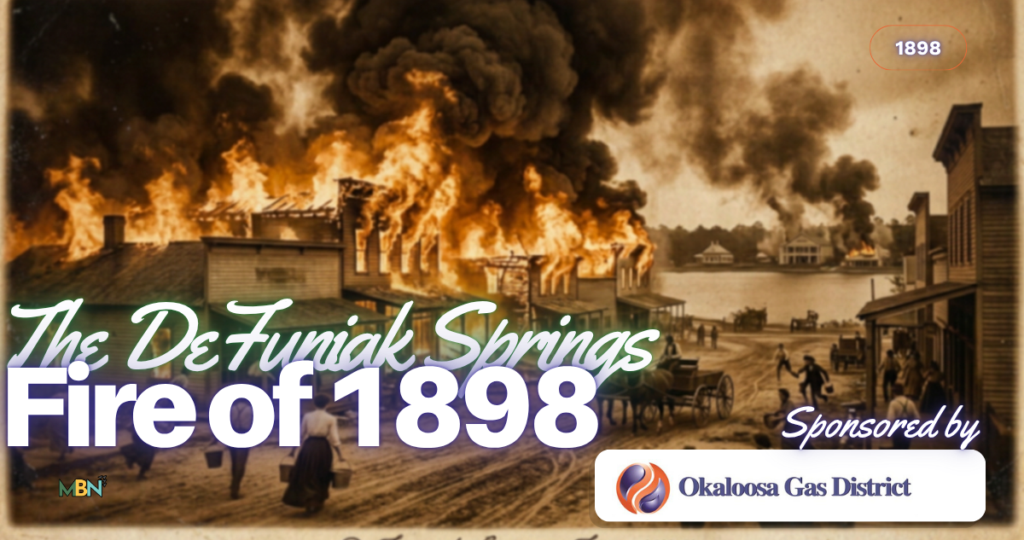
In 1898, a devastating fire swept through downtown DeFuniak Springs, charring 22 wooden structures on Baldwin Avenue. Yet, this catastrophe sparked transformation. Forced to rebuild, merchants turned to durable brick, creating the safer, denser downtown we recognize today. This shift helped solidify the town’s future, leading to official incorporation and essential new municipal services.
HISTORY: Drought-stricken, Floridians win a pyrrhic victory at Munfordville
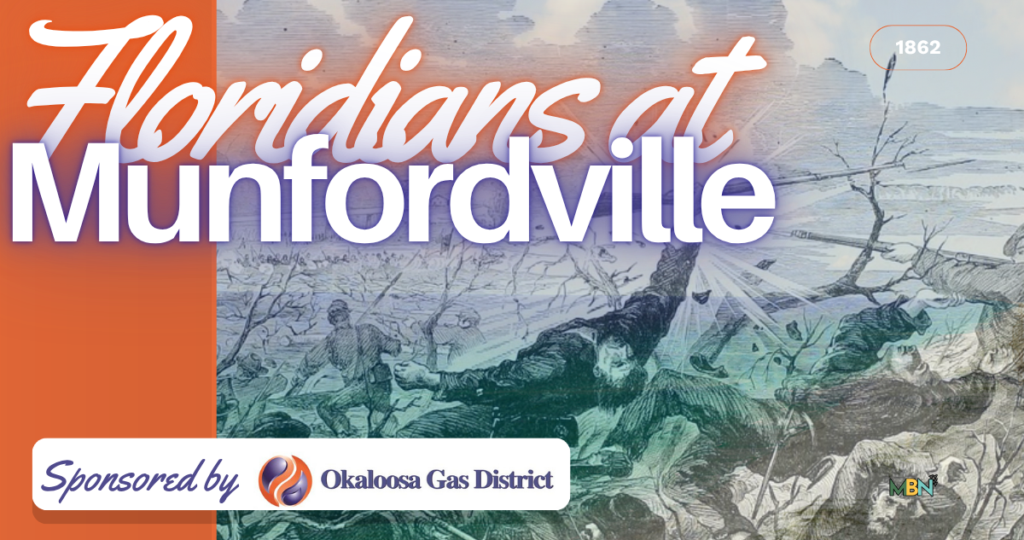
On September 17, 1862, 16,000 Confederate troops surrounded a Union garrison at Munfordville, Kentucky, securing a tactical victory that stood as the largest surrender of American forces at the time. Yet, for the exhausted men of the First and Third Florida Regiments, this hollow triumph merely presaged the campaign’s ultimate, bloody decline.
HISTORY: Hurricane Ivan the Terrible makes dramatic landfall
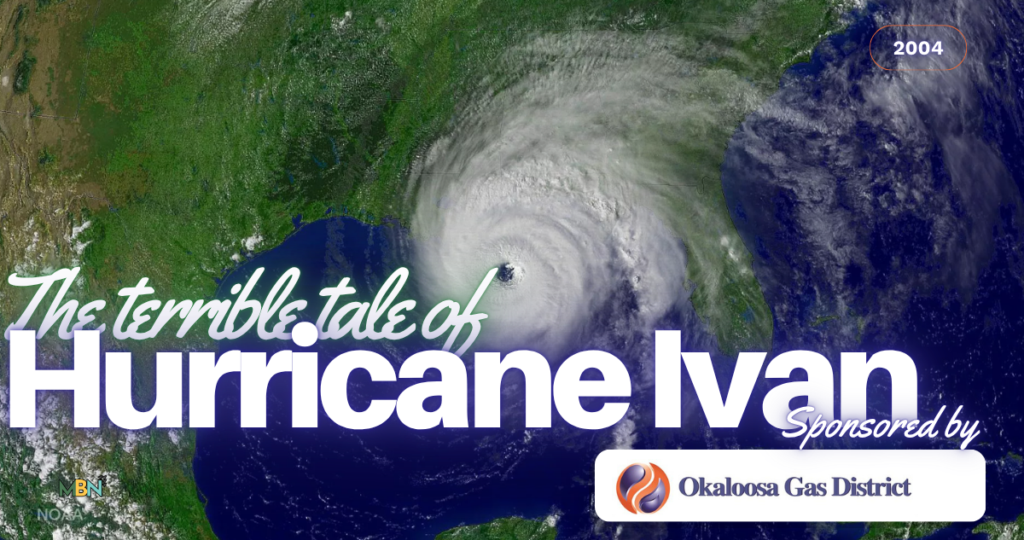
In 2004, Hurricane Ivan became one of history’s most destructive storms, causing over $14 billion in damage along the Gulf Coast. Beyond the physical destruction, Ivan ignited the “sand wars”—a landmark legal conflict over beach ownership and renourishment that remains a defining local issue in Walton County politics today
‘Never Forget’: Former Airman who served during 9/11 reflects the impact

A former Airman who witnessed the impact of 9/11 while stationed at Andrews Air Force Base reflects on the attacks, their lasting effects on the military and the importance of passing those lessons to a younger generation of service members.
Bill Lundy’s tale: The fake rebel who stole government money.
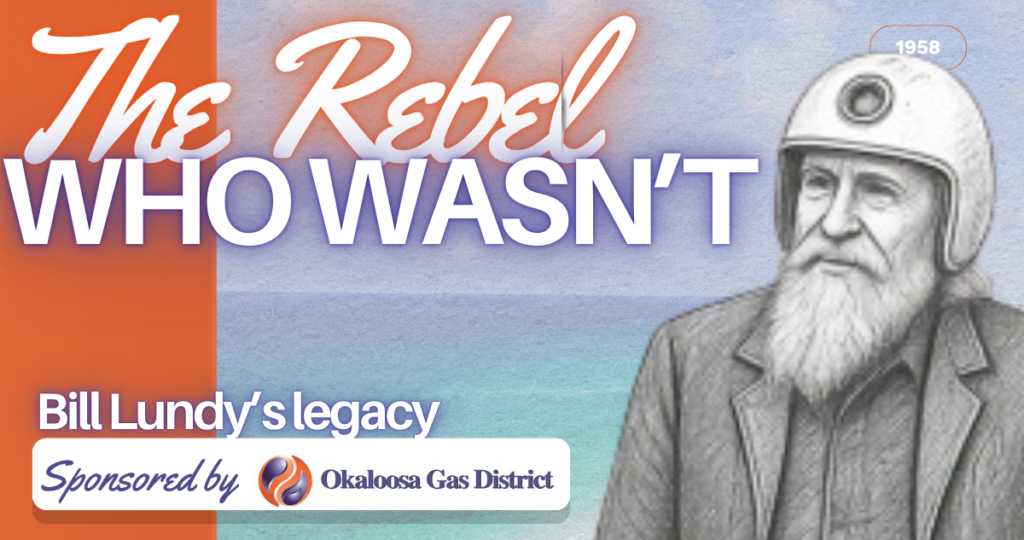
Bill Lundy became Okaloosa County’s most celebrated “living link” to the Civil War, even earning a Congressional medal. Yet, his fame was built on a foundation of falsehoods. Census records eventually revealed Lundy was born in 1860, proving he was merely a child, not a soldier, during the conflict.
The powerful story of Defuniak’s unlikely WWII Hero, Ewart Sconiers
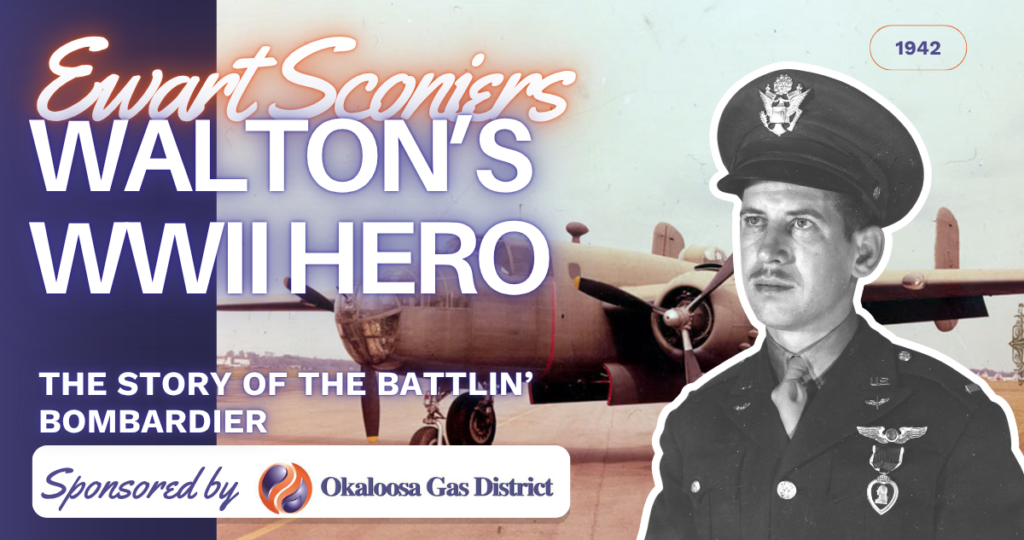
From childhood hardship in DeFuniak Springs to the cockpit of a B-17, Ewart Sconiers’ life was defined by resilience. After flying his first combat mission on August 17, 1942, Sconiers displayed extraordinary valor just days later, piloting his crippled bomber to safety and securing a place in aviation history.
Destin quickly deported to Freeport by anxious rebel militia post-raid
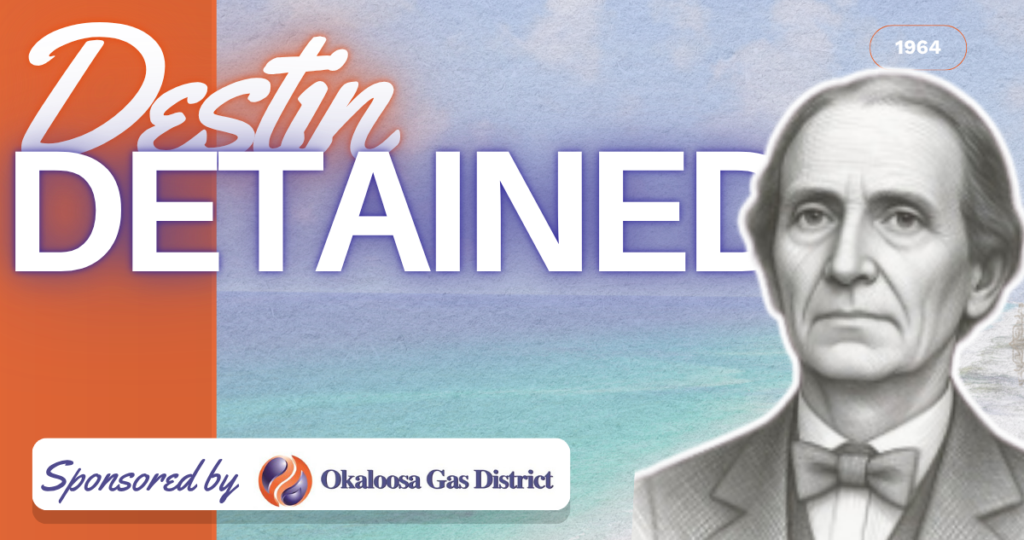
In the summer of 1861, the Civil War arrived on the Emerald Coast, casting suspicion on Connecticut-born fisherman Captain Leonard Destin. Caught between warring factions, Destin was branded a potential enemy collaborator. On August 20, the Walton Guards forced the Destin family from their home, beginning a desperate journey to Freeport.
The hard-to-find history of Northwest Florida State College
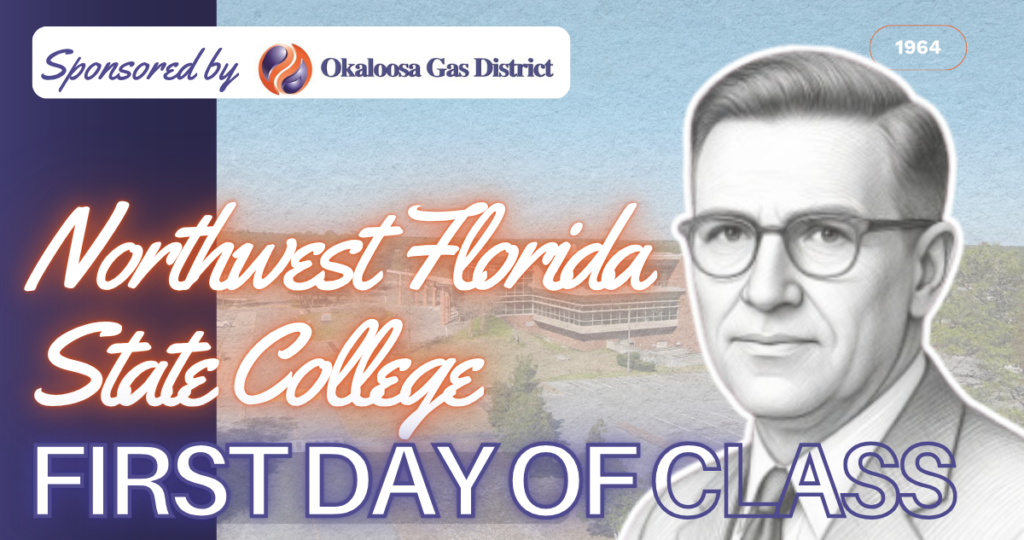
On August 17, 1964, Northwest Florida State College opened its doors as Okaloosa-Walton Junior College. Operating out of a building now housing the Northwest Florida Heritage Museum, the school far exceeded expectations, enrolling over 1,300 students in its first year despite original projections of only 150. Here’s the history of Northwest Florida State College.
Great Britain’s Fierce Florida Abolitionist: Edward Nicolls
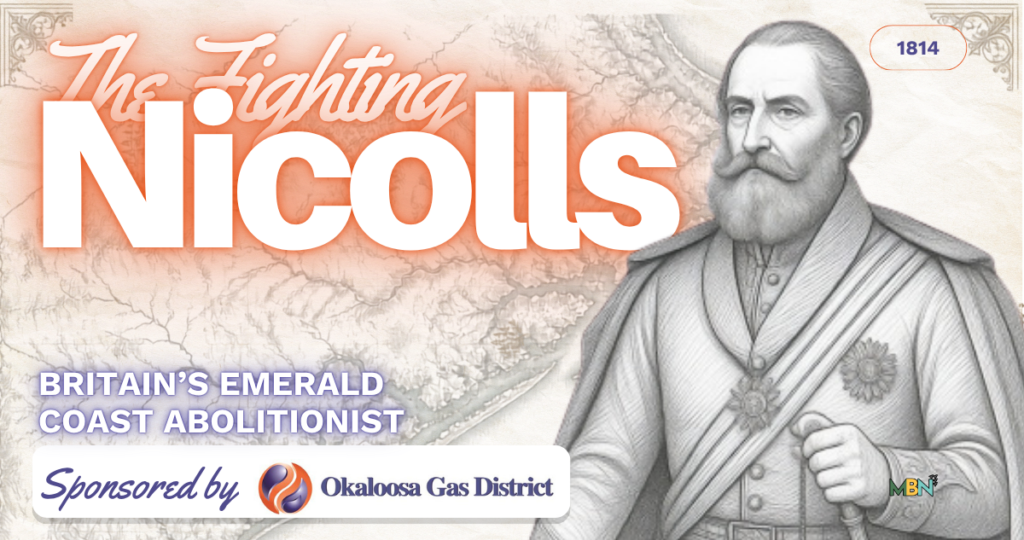
On August 13, 1814, a British warship dropped anchor in Pensacola Bay, and with it, a spark landed on the dry tinder of the Emerald Coast. Lieutenant Colonel Edward Nicolls stepped ashore, ready to build a disciplined regiment of British Colonial Marines composed of Black men who had fled the plantations.