
Black ink drenched the nation’s newspapers in the aftermath of a daring raid by special operators on a prison camp just 30 miles southwest of the North Vietnamese capital of Hanoi. Tales of the daring combined American forces who flew in the dead of night and unleashed soldiers and airmen with a single mission – to retrieve prisoners of war housed in pitiful conditions at the camp in a mission code-named “Ivory Coast.”
But instead of headlines heralding the retrieval of pilots, navigators, bombardiers, and other aircrew, the headlines spoke of the “Valiant Failure,” as the San Antonio Express-News put it.
The raid, still used to train proper tactics and procedures and seen as a lodestone for the special operations community on how to plan a raid of this nature, took place in the early morning hours of November 21, 1970.
American forces announced the assault from the stillness of the night with ground assault planes and helicopters, which took out entrenched Vietnamese positions around the area in a quick swoop. The assault force had waited for a quarter moon so pilots had enough light to fly, while the men on the ground would have enough darkness to assault the compound by surprise.
Meanwhile, East of Hanoi, United States Navy aircraft distracted what would have been the reinforcement column for the Vietnamese at the raid site with an attack on Haiphong Harbor. Planners said the raid on Hanoi made the prison-camp raid logistically possible by freezing NVA assets in place to respond to the attack on the capital.
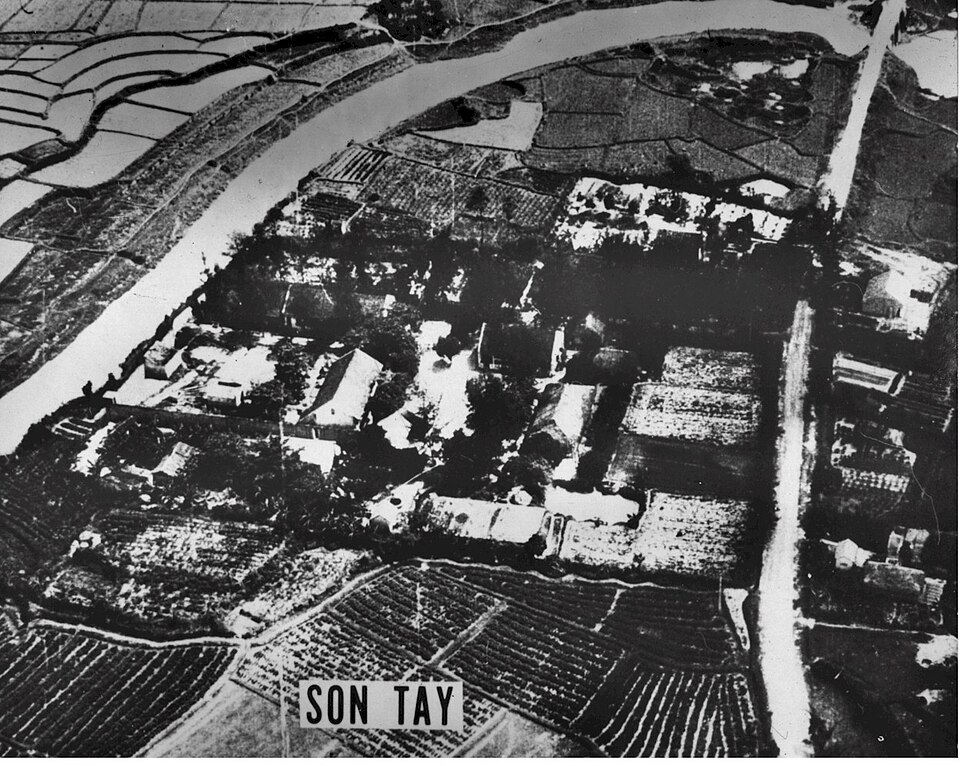
US forces made immediate and violent contact with the enemy – killing roughly two dozen of North Vietnamese Army regulars before making their way to the prisoner areas in the interior of the compound. The rescuers began to cut locks and swing open doors, only to find no prisoners in the facility. As Admiral Thomas Moorer pointed out to President Richard Nixon at the time, it was a real possibility.
The prisoners who were housed at Son Tay had been consolidated in prisons in urban parts of greater Hanoi to prevent rescues like this just weeks prior.
Who went on the Mission to liberate prisoners at Son Tay?
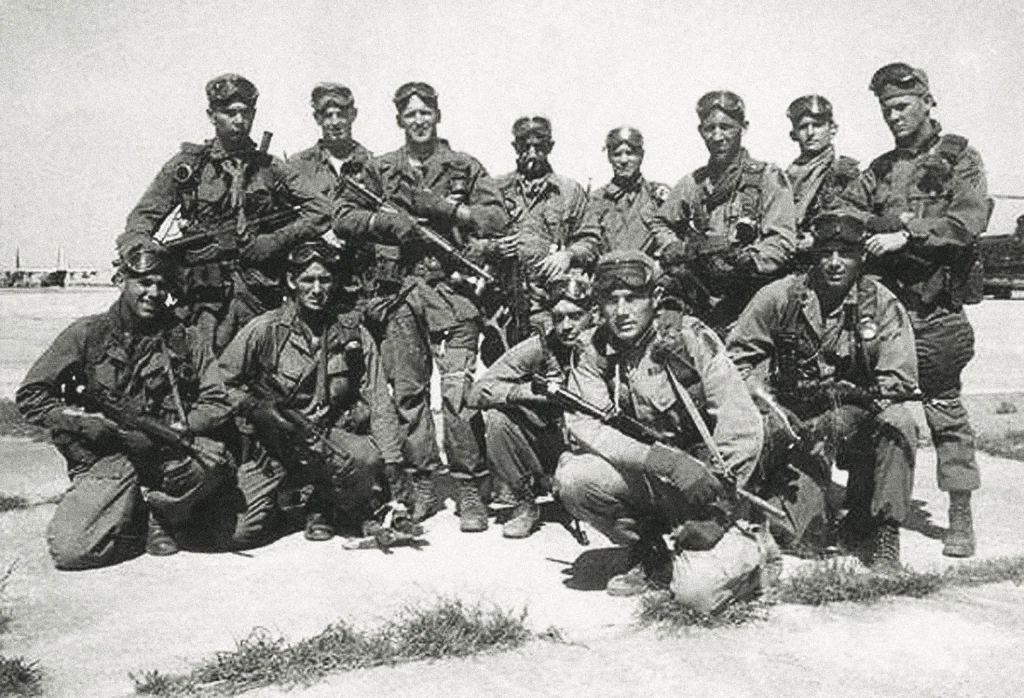
The 50 soldiers and 100 airmen who went on the mission to rescue POWs from the Son Tay Vietnamese Prison Camp were all volunteers. Most of the men hailed from the 6th and 7th Special Forces Group. The volunteer group was taken to Eglin Air Force Base, where they trained in raid tactics with help from rarely available aids.
The troopers and airmen were seconded to the mission and arrived at Eglin Air Force Base on August 10, 1970 to prepare for the raid through ad nauseum repetition. Eglin was chosen because it already hosted the US Army’s jungle warfare training installation.
The military had created a scale model of the camp for soldiers to plan the raid, called ‘Barbara.’ The model included every minuscule detail of the compound’s layout, down to the placement of every tree on the grid. A newspaper reported that one officer said one soldier would be with the model at all times during training, even at night. They, of course, called the ritual ‘sleeping with Barbara.’
The planners also used one million board feet of wood to mock up the Son Tay Prison Camp. But they had to put it up and take it down every day – so Soviet satellites wouldn’t be able to see it and report it to the North Vietnamese.
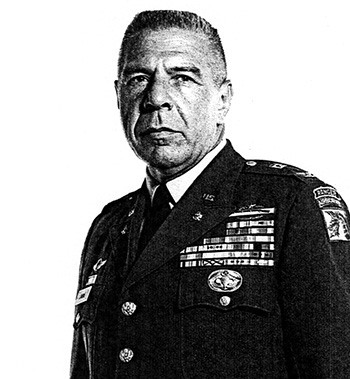
General Leroy Manor and Colonel Bull Simons led the men. Simons, a Ranger company leader in the Pacific Theater during World War II, provided the tactical acumen to minimize American casualties while maximizing the raid’s chances of success. Manor, a Southeast Asia expert, brought his expertise as a veteran with almost 345 missions and, according to the San Antonio News and Express, was “known as a stickler for tough precision training and planning.”
The men trained intensely at the training compound on Eglin Air Force Base but didn’t know the mmission specifics ntil they were thousands of miles away in Vietnam. That’s when they received the context for the training – where they were going and why.
Aftermath
In the immediate aftermath of the raid, President Richard Nixon said that there might be more such raids behind enemy lines to sweep up downed flyers and other prisoners held by the Vietnamese.
But the Son Tay Raid’s biggest legacy was twofold. Firstly and most immediately, it provided a template for the Special Forces community that has likely been referenced in every similar situation, including the raid on Osama Bin Laden’s compound in Pakistan in 2011.
BuSecondit also heralded the usint-base model th see across the country today. Eglin’s large range and semi-tropical climate, along with the presence of the Jungle Warfare School, made it the perfect place to train soldiers for the raid, and the idea stuck. In 2005, a United States Congress order for base realignment moved the men of the 7th Special Forces Group, who trained for the Son Tay Raid at Eglin, from their digs in North Carolina to the Eglin Range permanently. The Special Forces compound that sits on Eglin for the 7th Special Forces Group is named after the tactical leader of the raid, Colonel Arthur “Bull” Simons.