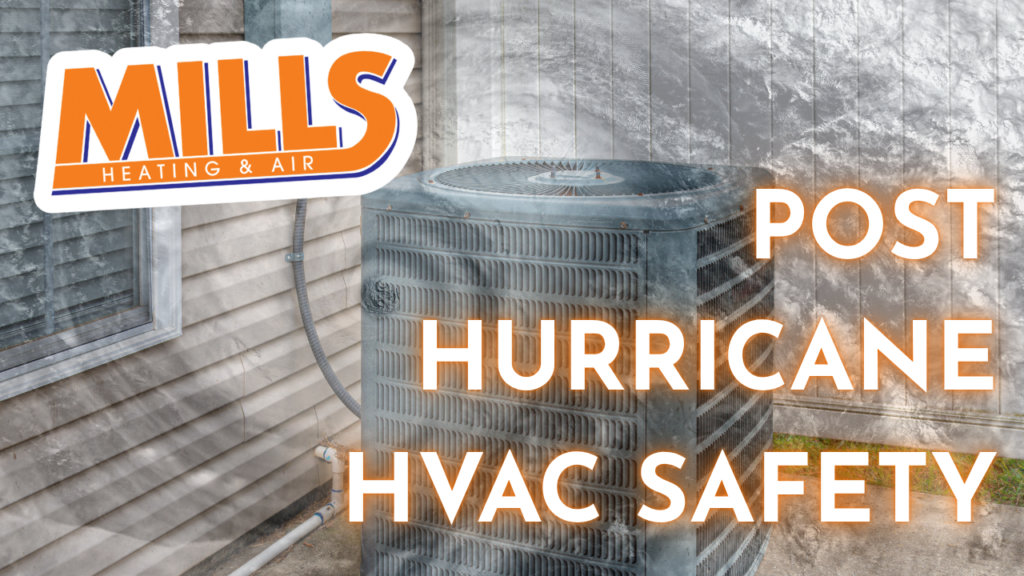

EMERALD COAST — As residents and businesses begin recovering from Hurricane Isaias, a local heating and air-conditioning company warns that storm-damaged HVAC equipment may pose serious hazards long after the wind and rain have passed.
“After a storm, everyone is eager to get homes and businesses back to normal,” Mills Heating & Air said in a community message. “Unfortunately, many people don’t realize that storm-damaged HVAC equipment can create serious safety concerns, especially when flooding, electrical damage and power outages are involved.”
Here are five key precautions Mills Heating & Air recommends before resuming normal use of an air-conditioning or heating system:
1. Do not assume restored power means the HVAC system is safe
Power outages and electrical surges can damage HVAC components. Residents should turn a system off and arrange for an inspection if it is not operating properly, makes unusual noises or produces a burning smell, according to Mills.
A system that starts running again after utility service is restored may still have damaged electrical parts or other hidden problems. Rushing to operate equipment can increase the risk of further damage.
2. Never restart a unit that was submerged or exposed to floodwater
Do not turn on outdoor units that sat in floodwater, even if the water has receded. Water can damage electrical components, motors, and other critical parts.
Flooding may leave damage that is not obvious from the outside. A qualified HVAC technician should assess the equipment and determine the safest next steps before operating it.
3. Check carefully for visible storm damage — but do not attempt repairs
Fallen branches, windblown debris, shifted equipment, bent panels and exposed wiring can all signal storm damage. Don’t attempt to reach inside equipment or repair damaged components yourself.
Damaged wiring and electrical equipment can present shock, fire, and equipment-failure risks. If damage is visible, residents should keep clear of the unit and contact a qualified professional.
4. Inspect and replace air filters when the system is cleared for operation
Storm cleanup can stir up dust, debris, and other airborne material. Once an HVAC system has been determined safe to operate, occupants should check the air filter and replace it if needed.
A clean filter supports proper airflow and indoor air quality—both of which can be especially important after cleanup work disturbs dust and debris.
5. Commercial properties should take added precautions
Business owners and property managers should inspect commercial HVAC equipment for visible storm damage, flooding, and electrical concerns before restarting it.
If the equipment may have been damaged, the company recommends a professional inspection before operation.
Commercial systems serve larger buildings and more occupants, so a careful assessment is especially important. A little attention before restarting equipment may help prevent more serious problems later.
Generator power requires special attention
If your system is operating on generator power, let the HVAC provider know. Mills doesn’t do repair work on a system until power is restored. Residents should not treat temporary generator operation as a sign that all electrical systems and connected equipment are ready for normal use.
A community recovery message
Mills Heating & Air said the safety message is intended to protect neighbors and support a safer recovery across the Emerald Coast.
“Sometimes something as simple as sharing a post can help someone avoid a dangerous situation or an expensive mistake,” the company said.
As recovery continues, homeowners, businesses and property managers are encouraged to share credible safety information, watch for signs of damage and seek qualified assistance before returning storm-exposed HVAC equipment to service.