Why Pensacola was abandoned by the Rebels in 1862
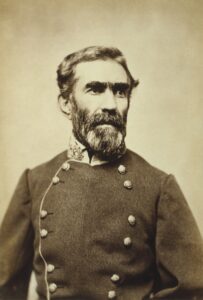
Bragg ordered Colonel Thomas Jones to abandon Pensacola so that his troops detailed could help Bragg in his ill-fated invasion of Kentucky. Before they left, though, they decided to burn a large portion of Florida’s then-tiny manufacturing industry, which was located in Milton, Pensacola, and Santa Rosa County. The unit’s leadership decided to deny the Union local industrial capacity before marching north. The rebels set fire to the navy yard, oil stores, and forts.
After firing the city, the unit would first stop in Alabama and then move on to Tennessee. In the Volunteer State, they would link up with General Bragg’s forces and march into the Bluegrass State in an attempt to foment rebellion against the Union in that state.
Though they joined the march a little bit later, the Walton Guards would also join up with Bragg’s Confederate Army of Tennessee in August. From their merger later in 1862, a larger army unit made its way into the Bluegrass state with the intention of ‘liberating’ the commonwealth from the Union. Confederate war planners hoped that the move would rally all of the so-called border states, which were slave-states that stayed in the Union, to the Confederacy’s side. But after a disappointing campaign that ended in disaster at the Battle of Perryville, Emerald Coast members of the Army of Tennessee fled south through the Cumberland Gap and on to Mississippi.
Economic effects of Pensacola’s abandonment on the Emerald Coast
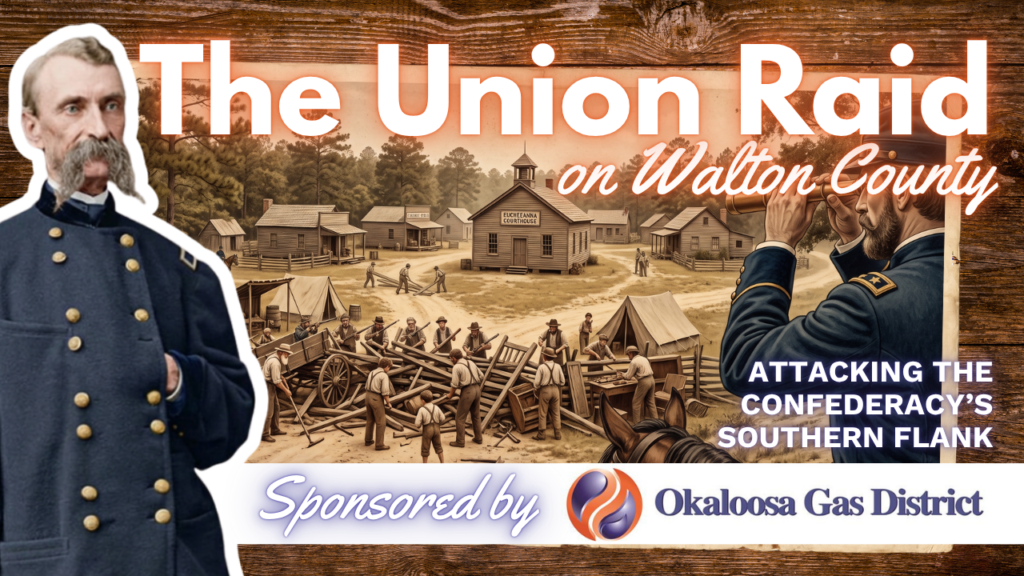
The departure of the rebel forces from Pensacola made West Florida part of the Union for the rest of the war. Soon after the evacuation of the rebel forces, the small Union force that had held or reinforced Fort Pickens in the early days of the war would occupy Pensacola and the outlying towns in Santa Rosa County. Walton County would ostensibly remain in rebel hands but would suffer several raids from Union Cavalry formed from refugees from Florida and deserters from Confederate units.
In practical terms, the change of ownership from Rebel to Union meant that the Confederacy would establish border zones, known as pickets or picket lines, that would stop civilians from coming into Pensacola to trade with ‘the enemy.’ Pair with the Rebels’ decision to destroy all rail lines near Pensacola and the successful Union blockade of southern ports, and very little trading for life’s essentials could take place in the area. The resulting shortages of everything from goods to commodities affected everyday life in the city and in the countryside.
Pensacola, a Union raider base of operations
The swashbuckling Hungarian-born officer (no, I’m not kidding) General Alexander Ashboth would organize the First Florida Cavalry, Union Volunteers (FCUV). Ashboth’s recruiters drew the ranks of the unit from local unionists, refugees from the area, and deserters of the Confederate Military who were attempting to hide out from the conscription officers of the Confederacy who were ravenous for recruits.
These men would raid the West Florida countryside, including the areas where many of them were from, to seize resources that would otherwise reach rebel line units in Virginia, Georgia, and the Carolinas. Their efforts culminated in a raid on Eucheeanna (at one time the County seat of Walton County) and Marianna (the hometown of then-Florida Governor John Milton)
Suffice it to say, the loss of Pensacola had long-term consequences for the locals of Walton and Santa Rosa Counties. Union forces used the city of Pensacola as a base from which to raid northwest Florida and the heartland of Alabama to take resources from the Confederacy’s war machine – ending the war sooner. It also served as a hub for unionists, refugees, and deserters – and allowed them to form into formidable fighting units on behalf of the Stars and Stripes.