What happens if it were repealed?
If Section 230 were repealed, posting online would not suddenly become illegal. But legal experts say platforms would likely change their behavior quickly to reduce the risk of lawsuits.
That could mean:
- Fewer comment sections on news stories
- More deleted posts and suspended accounts
- Fewer online groups and forums
- Tighter restrictions on anonymous or pseudonymous users
Smaller websites, local news outlets, and nonprofits that lack large legal teams could be hit especially hard.
What would the repeal not do?
Section 230 does not protect illegal content, prevent criminal prosecution, or stop individuals from being sued for defamation. Those legal tools already exist.
Repealing the law would also not override the First Amendment, which limits government censorship, not lawsuits between private parties.
Some legal experts say repeal could give platforms more power to remove speech, not less, because companies would assert their own rights as publishers and move quickly to restrict risky content.
A broader, unsettled debate
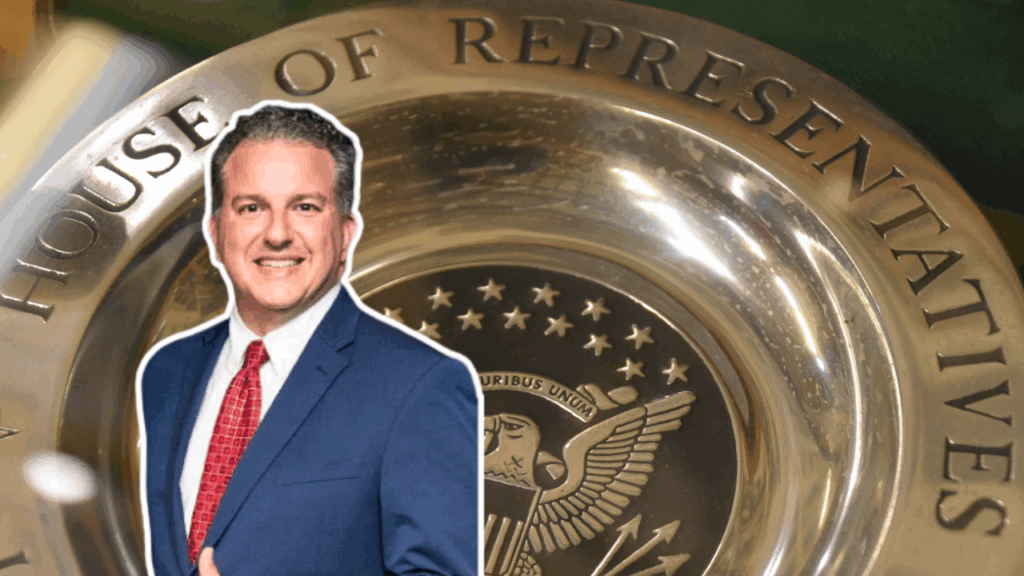
Congress has debated changing Section 230 for years. Some lawmakers have proposed narrowing the law or conditioning its protections, while others, like Patronis, support full repeal.
Similar efforts have stalled in the past amid concerns about unintended consequences.
The PROTECT Act does not include replacement rules, transition periods or child-specific regulatory standards. It would take effect immediately if passed.
Financial disclosure reports show that Patronis owns stock in several major technology companies, including Apple, Meta, Amazon, Microsoft, Google, and Oracle, whose operations could be affected by changes to Section 230.
Members of Congress are allowed to hold such investments but must disclose them under federal ethics laws.
The bill has been referred to a committee. No hearing has been scheduled, and its prospects remain uncertain.