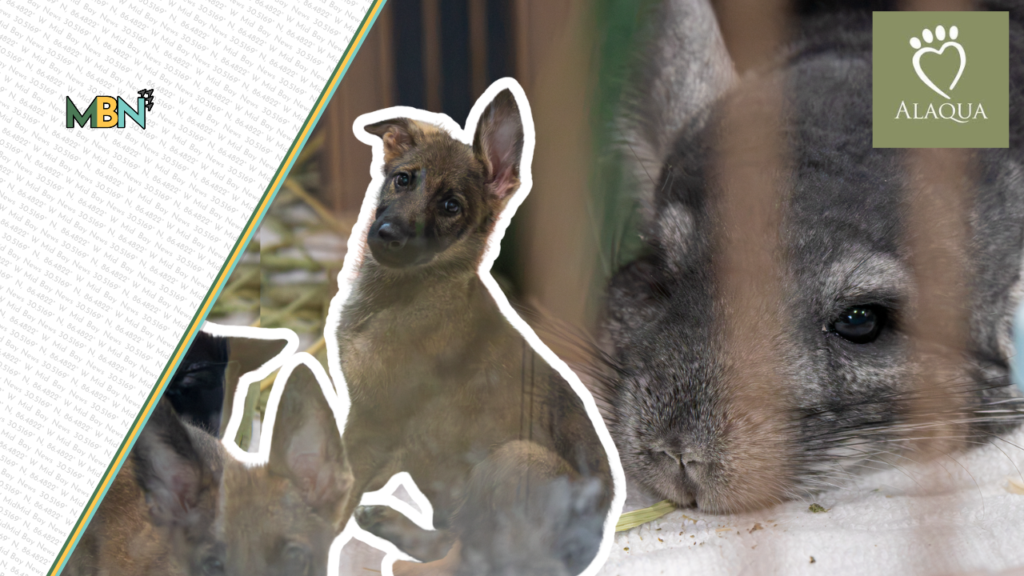

From German shepherd puppies rescued from deplorable conditions to 26 chinchillas flown in from a large-scale animal cruelty investigation, Alaqua Animal Refuge is caring for dozens of animals rescued from neglect while preparing them for new homes.
Although the two recent rescue efforts are unrelated, both have demanded significant resources from the nonprofit refuge, which works closely with law enforcement agencies and animal welfare organizations on cruelty and neglect cases.
The chinchillas arrived in Freeport via private plane after PETA removed them from a breeder in Ohio. According to Laurie Hood, the CEO and founder of Alaqua, the animals were identified during an undercover investigation that revealed the neglect and abuse of over 1,100 chinchillas.
PETA explained that it was a remote breeding factory, with the animals living in a dark, humid shed filled with mildew and ammonia. The animals were confined in wire cages caked with feces, open packets of rat poison, and a dead chinchilla among living ones.
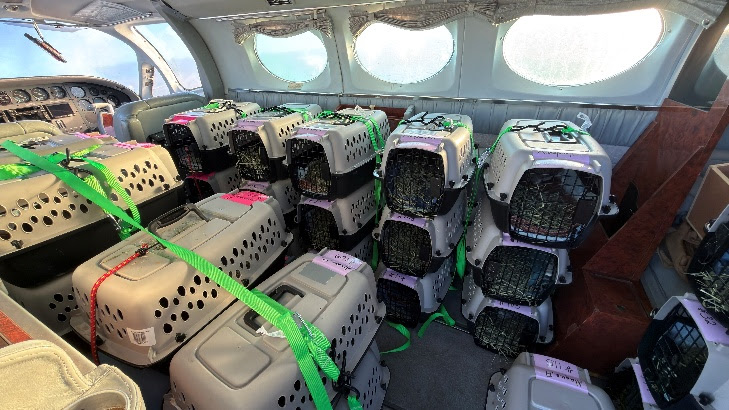
Chinchillas in the plane. Credit: PETA 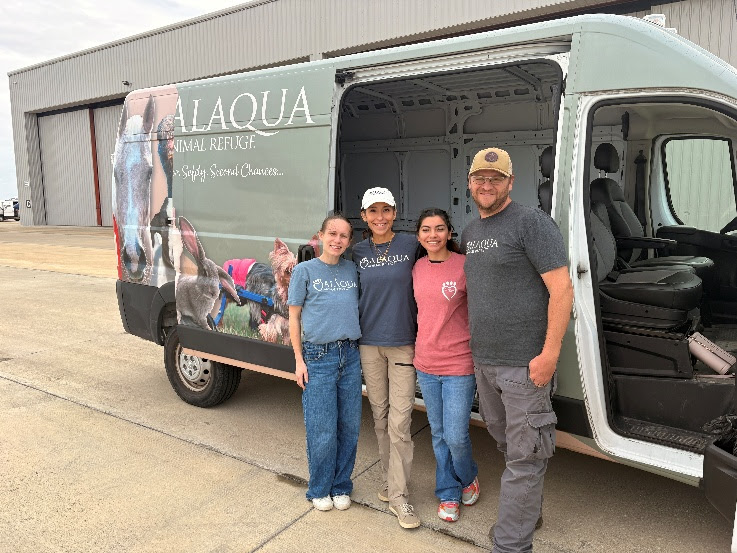
Alaqua team picking up the animals. Credit: PETA 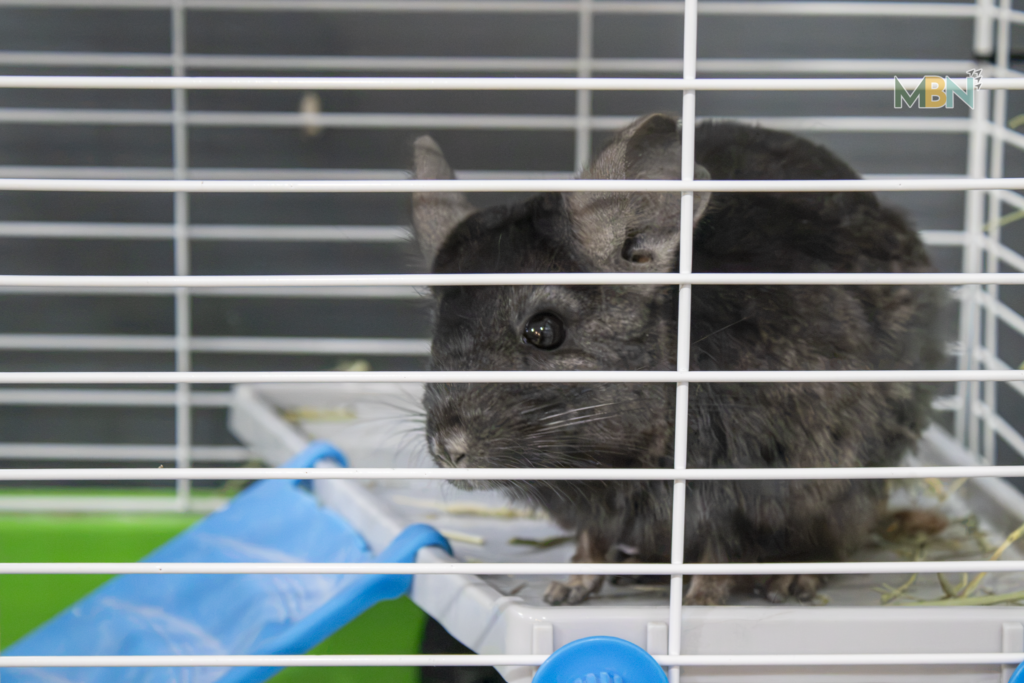
Chinchilla at Alaqua 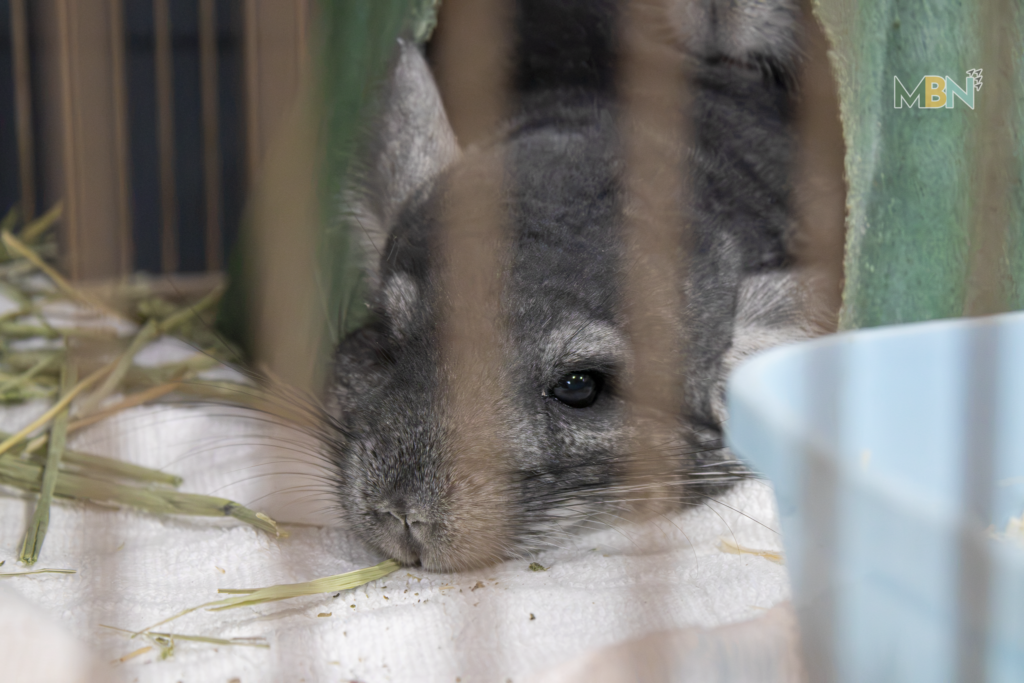
Chinchilla at Alaqua 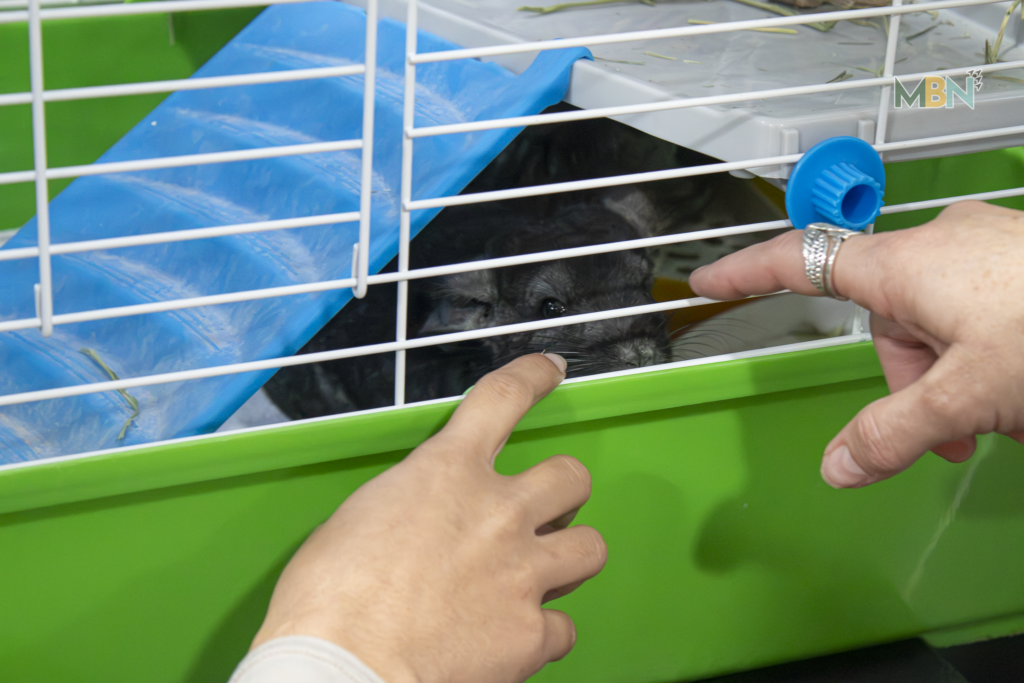
Chinchilla at Alaqua 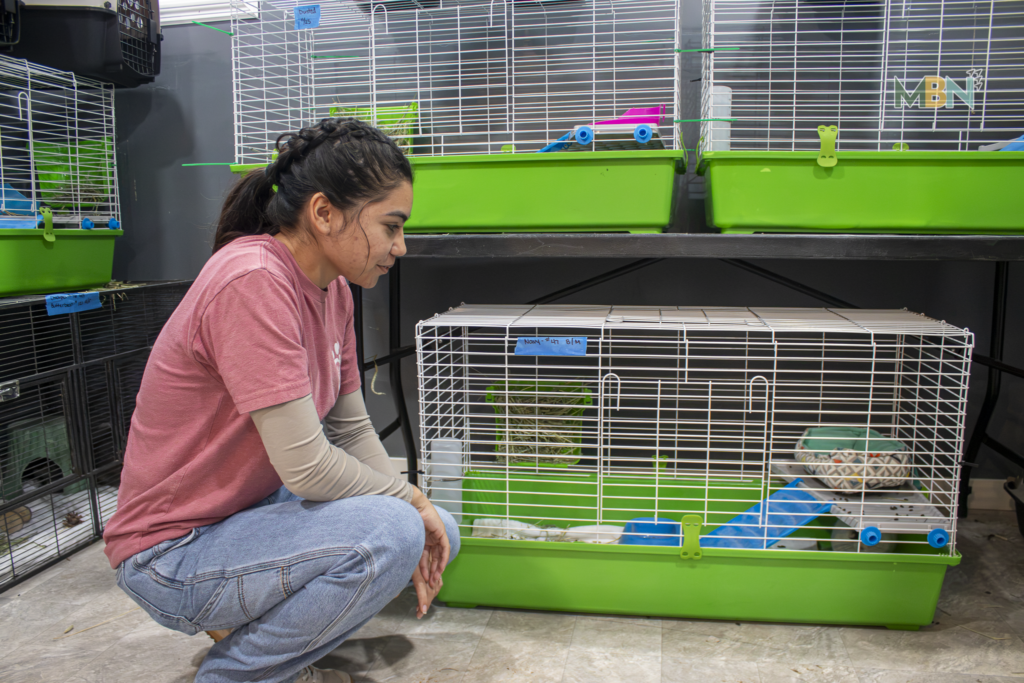
Adysan Turko talking about her favorite chinchilla 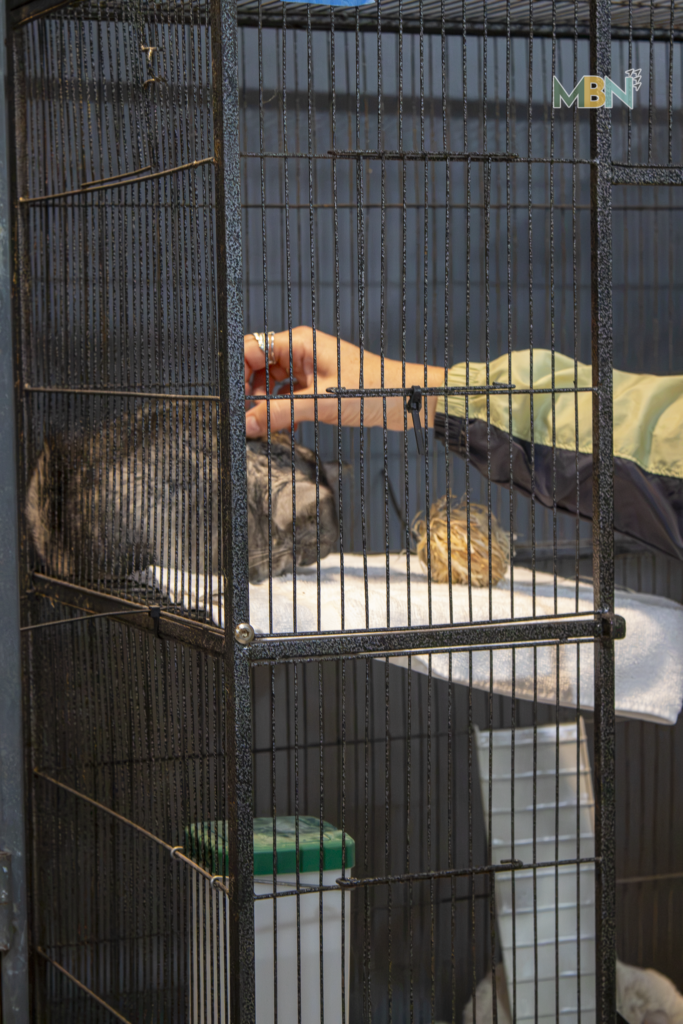
Chinchilla at Alaqua 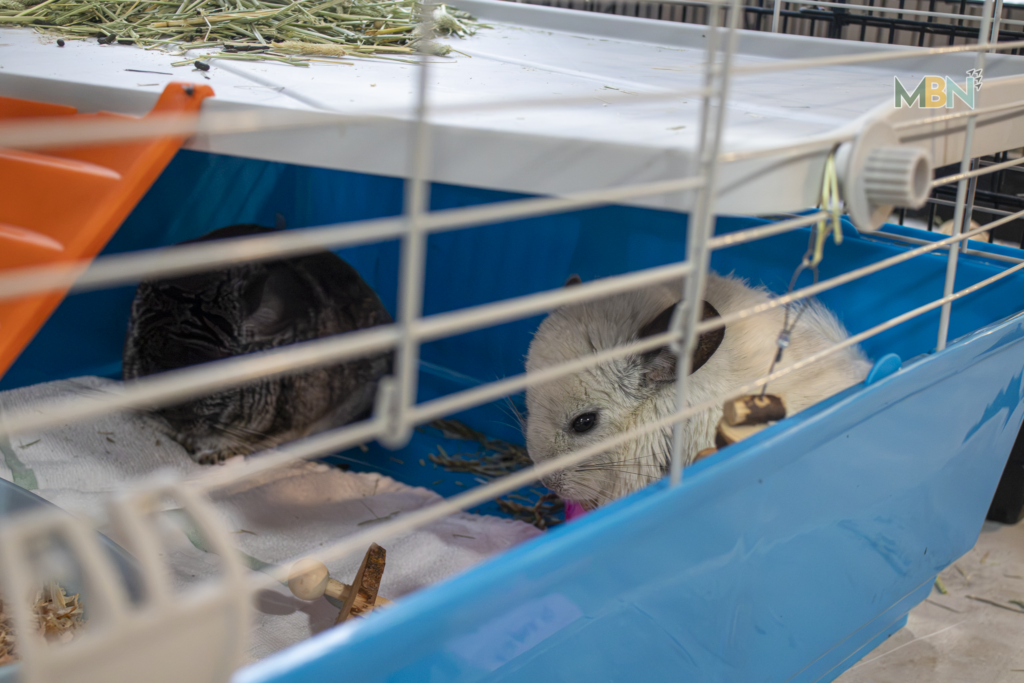
Chinchilla at Alaqua 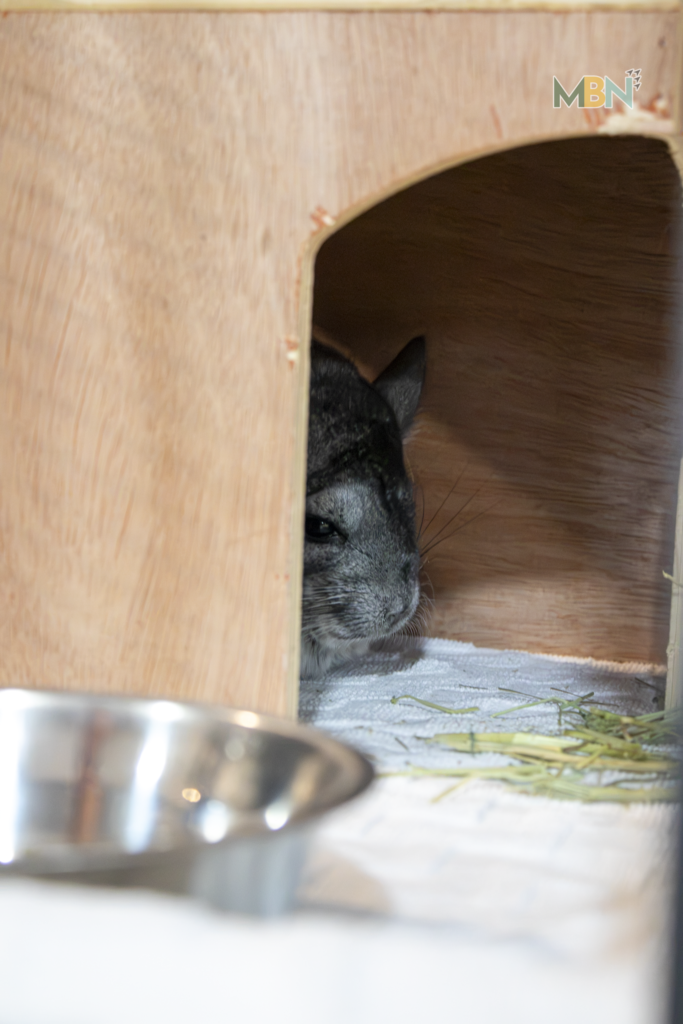
Chinchilla at Alaqua 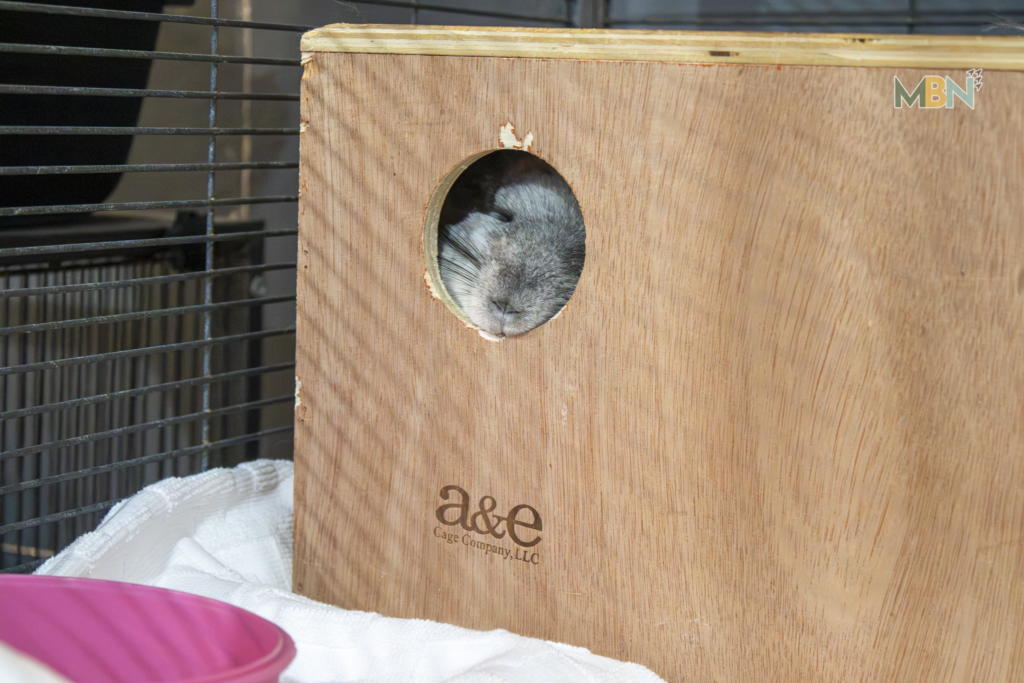
Chinchilla at Alaqua 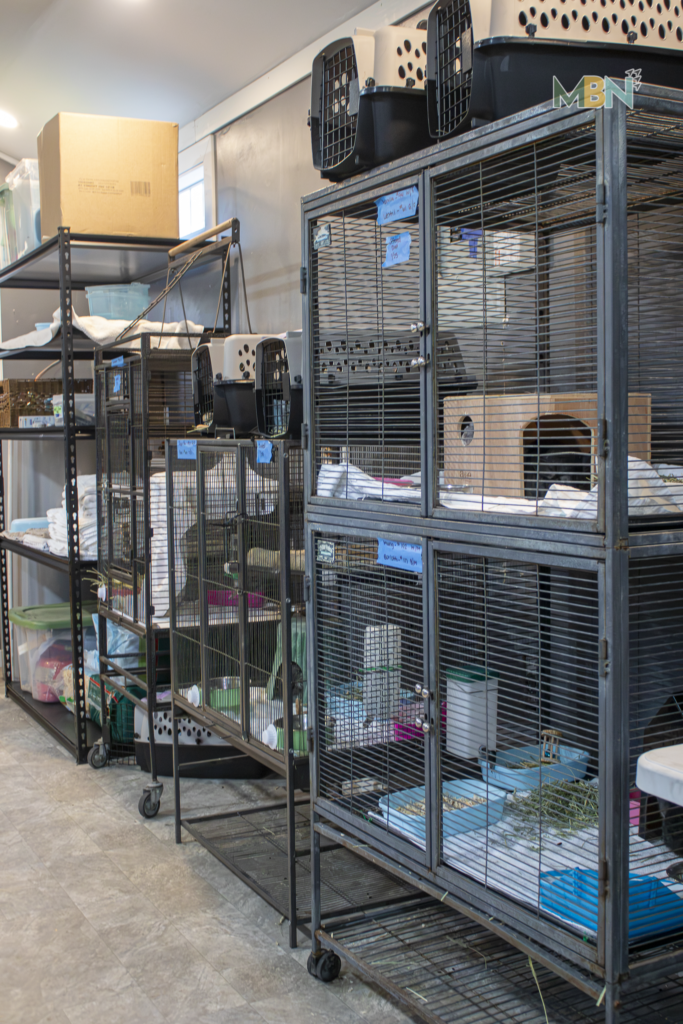
Chinchilla setup at Alaqua 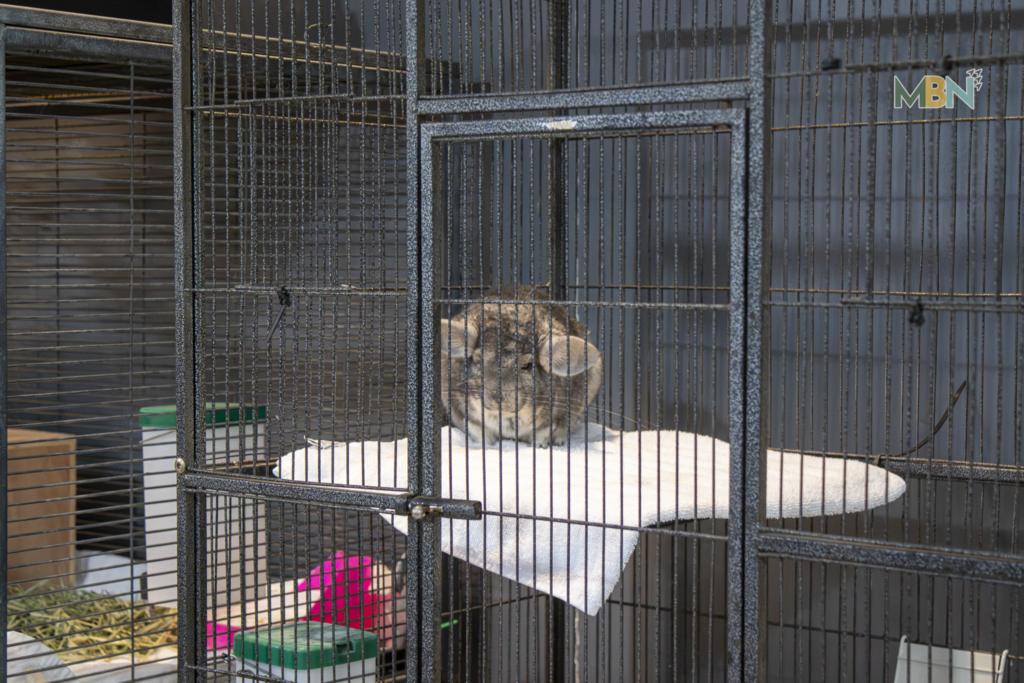
Chinchilla at Alaqua 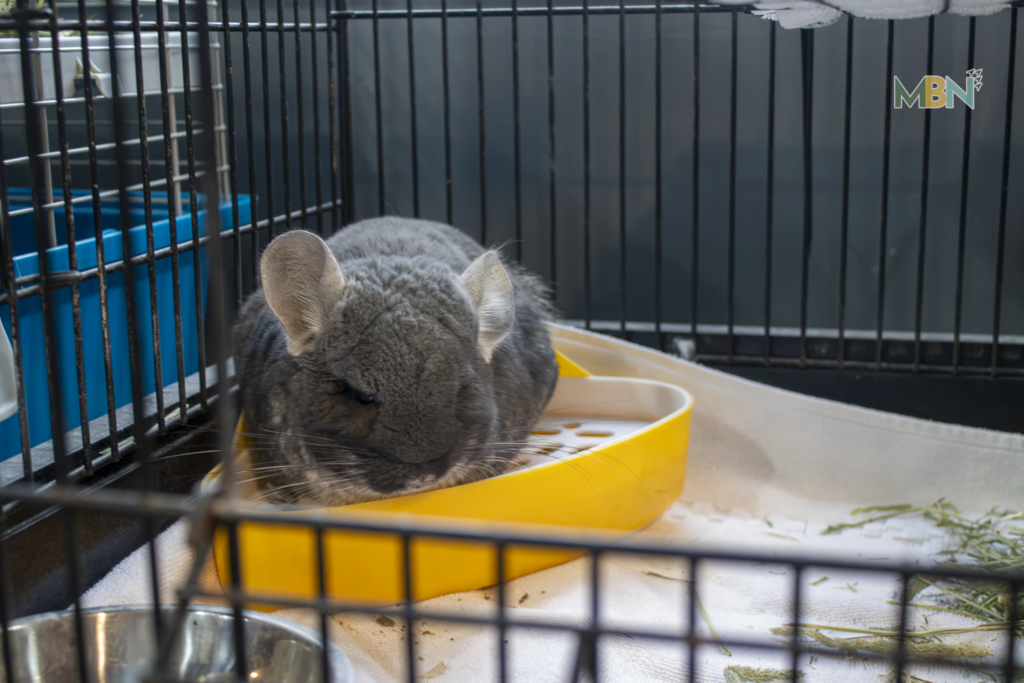
Chinchilla at Alaqua
Because Alaqua is accredited by the Global Federation of Animal Sanctuaries, the refuge was asked to assist and accepted 26 of the animals, ranging from about 6 months to 13 years old.
Of course, 26 chinchillas are not a typical rescue case.
“The second that we had heard about the case, we were researching chinchillas,” explained Animal Welfare Assistant Adysan Turko. “We just wanted to make sure that we had it all perfect and laid out and clear before they arrived.”
When the animals arrived at Alaqua, they came in small animal carriers and needed immediate housing. Employees from multiple departments worked together to convert bird cages into temporary chinchilla enclosures.
“We had our clinic team working with our exotics team. Our team that works over in puppies [was] down here helping too. A lot of management office staff were [here],” Turko said. “It was pretty cool to see us all come together.”
The majority of the chinchillas are adapting well and are expected to become available for adoption in the near future. While a handful have medical conditions such as heart murmurs, staff members explained that most arrived in stable condition after receiving veterinary care before transport.
The German shepherd puppies, however, arrived in far worse shape.
According to Hood, Alaqua had received complaints over a lengthy period about conditions involving a local breeder. After the Walton County Sheriff’s Office gained access to the property, officials discovered over 30 German shepherds living in extremely poor conditions.
The owner surrendered the animals, allowing Alaqua to take 23 of them into its care. The puppies include two-week-olds, still with their mother, three-month-olds, and six-month-olds. While many of the adult dogs have been brought to the Walton County Animal Shelter, Alaqua accepted three adults, including the mother of the youngest puppies and potentially the original breeder dog.
“They just were very malnourished,” Hood said. “They have all the things, you know, from parasites to ringworms to skin conditions.”
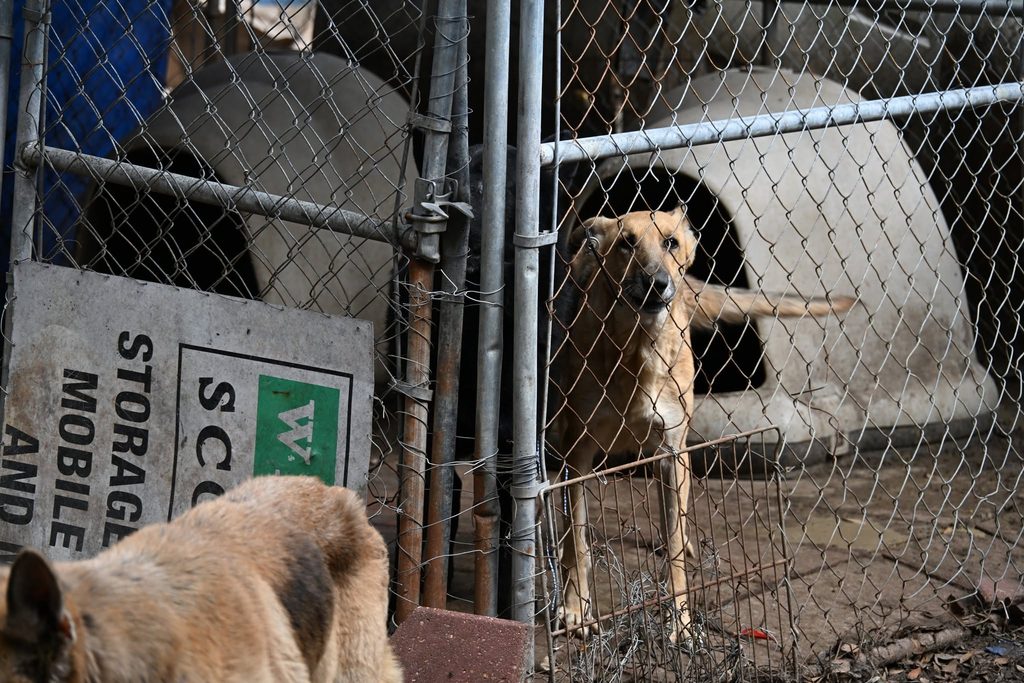
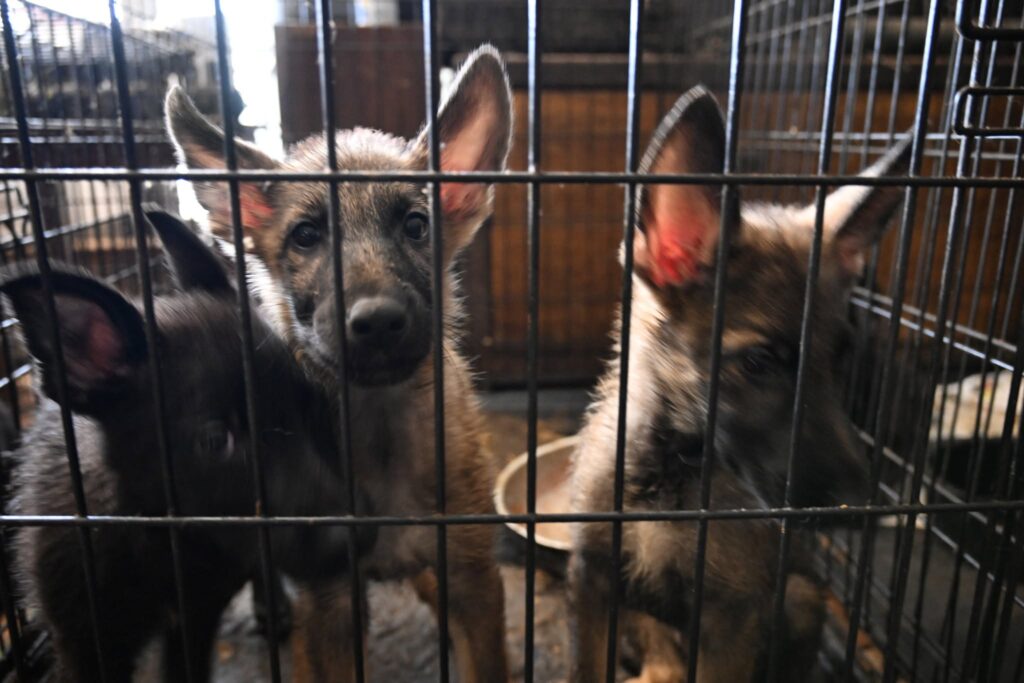
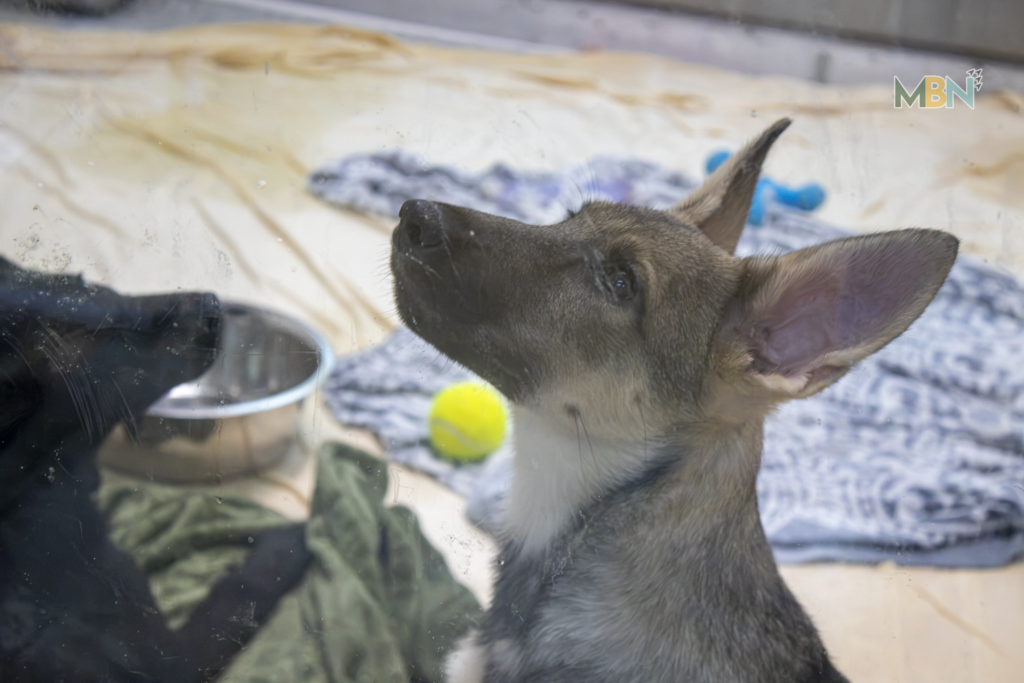
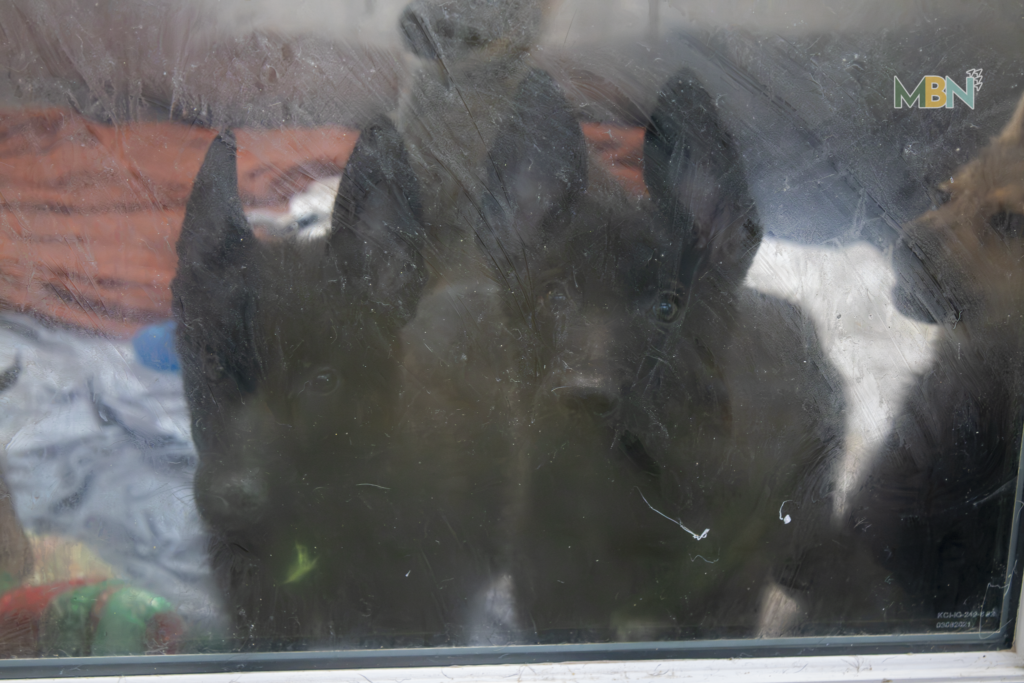
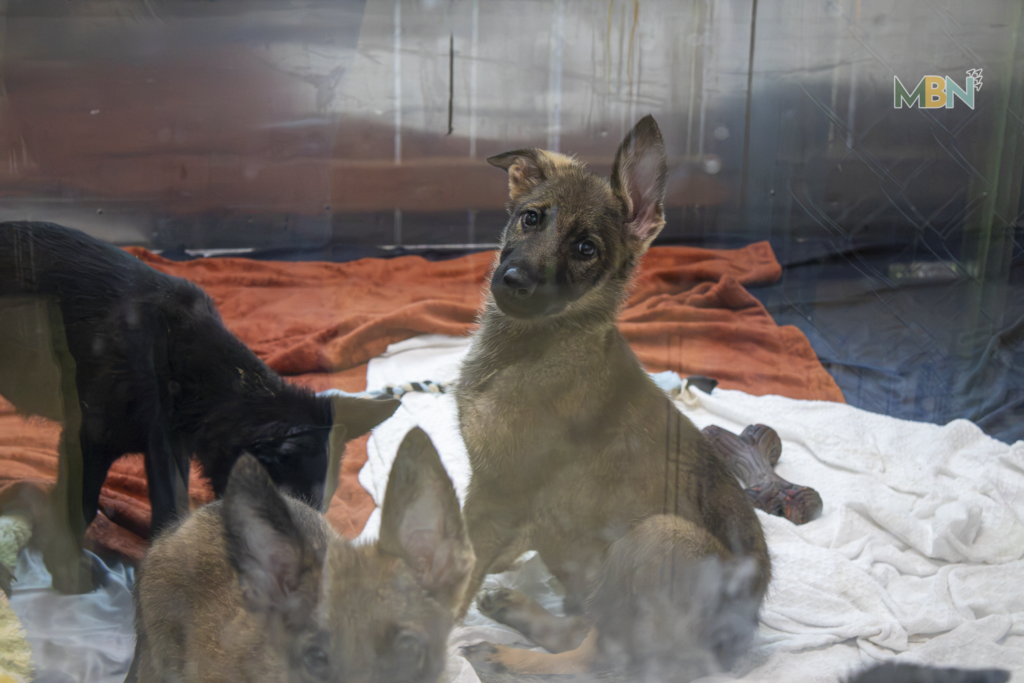
Staff member Heather Simerson explained what the dogs were like when they first arrived. “When they got here, they were completely matted with feces. They were deprived of water so bad [that] they were fighting over water.”
The dogs must remain in quarantine for 14 days while receiving medical care and treatment for parasites and other health issues. Alaqua staff said that the puppies are already showing significant improvement and have generated a strong interest from potential adopters on social media.
However, the dogs will not be available until they have completed at least two weeks of quarantine, been spayed/neutered, and been medically cleared.
In addition to caring for rescued animals, including another large rescue of goats and lambs from a slaughterhouse in central Florida, Alaqua must also manage the challenges that come with allowing large-scale intakes.
Hood explained that the refuge receives about 200 surrender calls a day, and operates at full capacity nearly year-round. Currently, they have 169 animals available for adoption, but 537 animals overall.
Making more room to accept animals requires coordination among medical staff, animal care teams, volunteers, and foster families.
“It’s very, very expensive,” Hood said. “Some [animals] are in ICU care for days, which is 24-hour care.”
The chinchilla rescue also led Alaqua to buy a new building because they had nowhere else to put the animals. But once they are all adopted, they will continue to use the building to house small mammals.
Despite the challenges, Hood hopes these cases encourage community members to speak up when they suspect neglect.
“If you see something, speak up.” She continued, “People did voice what they saw, and ultimately all of those efforts paid off.”
Alaqua is currently accepting foster, volunteer, and adoption applications and encourages the community to support the refuge through donations and volunteer work.
“Some of the best animals you’ll ever see are rescued animals,” Hood said. “I don’t want them to ever get a bad rap because humans failed them at some point.”